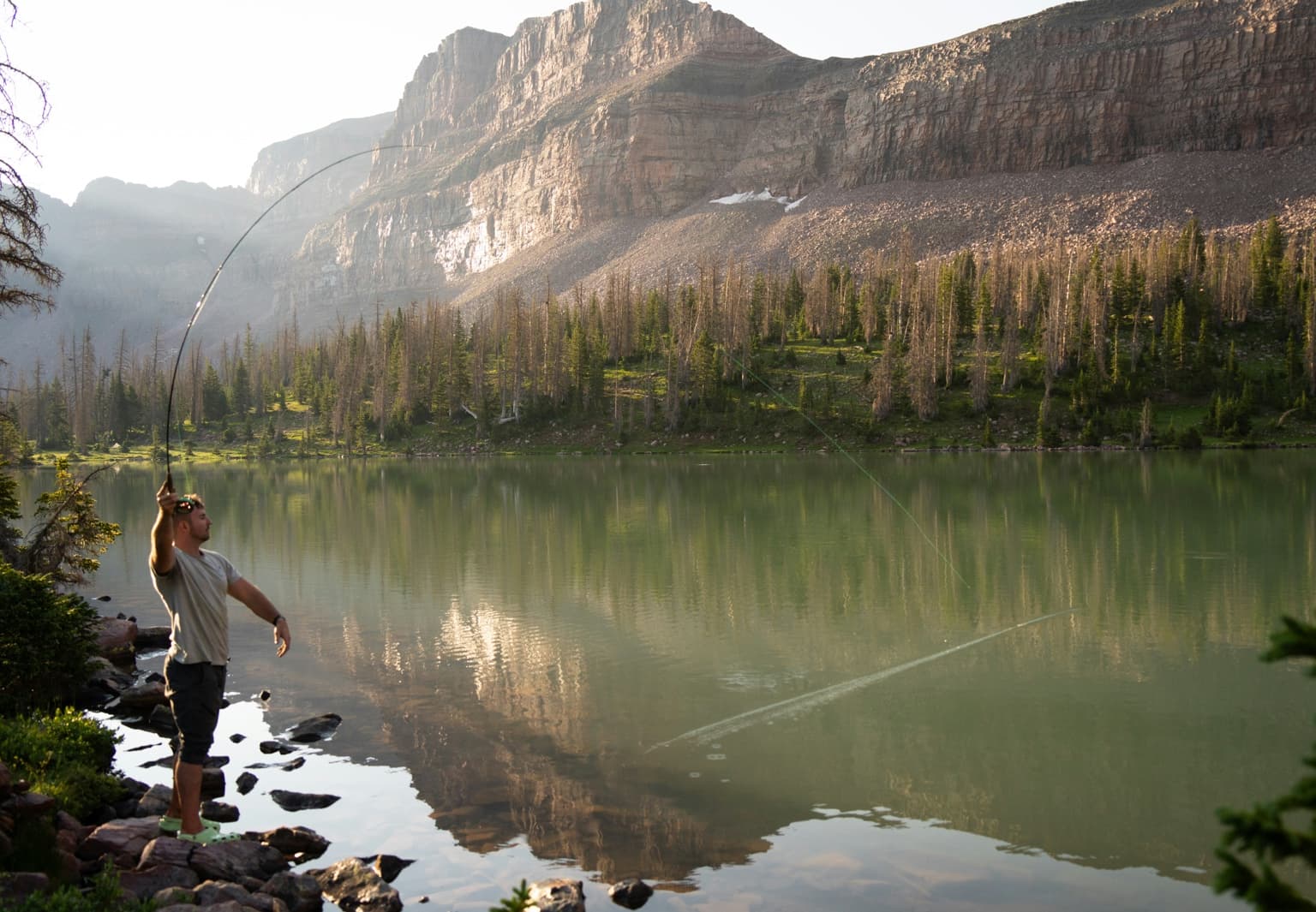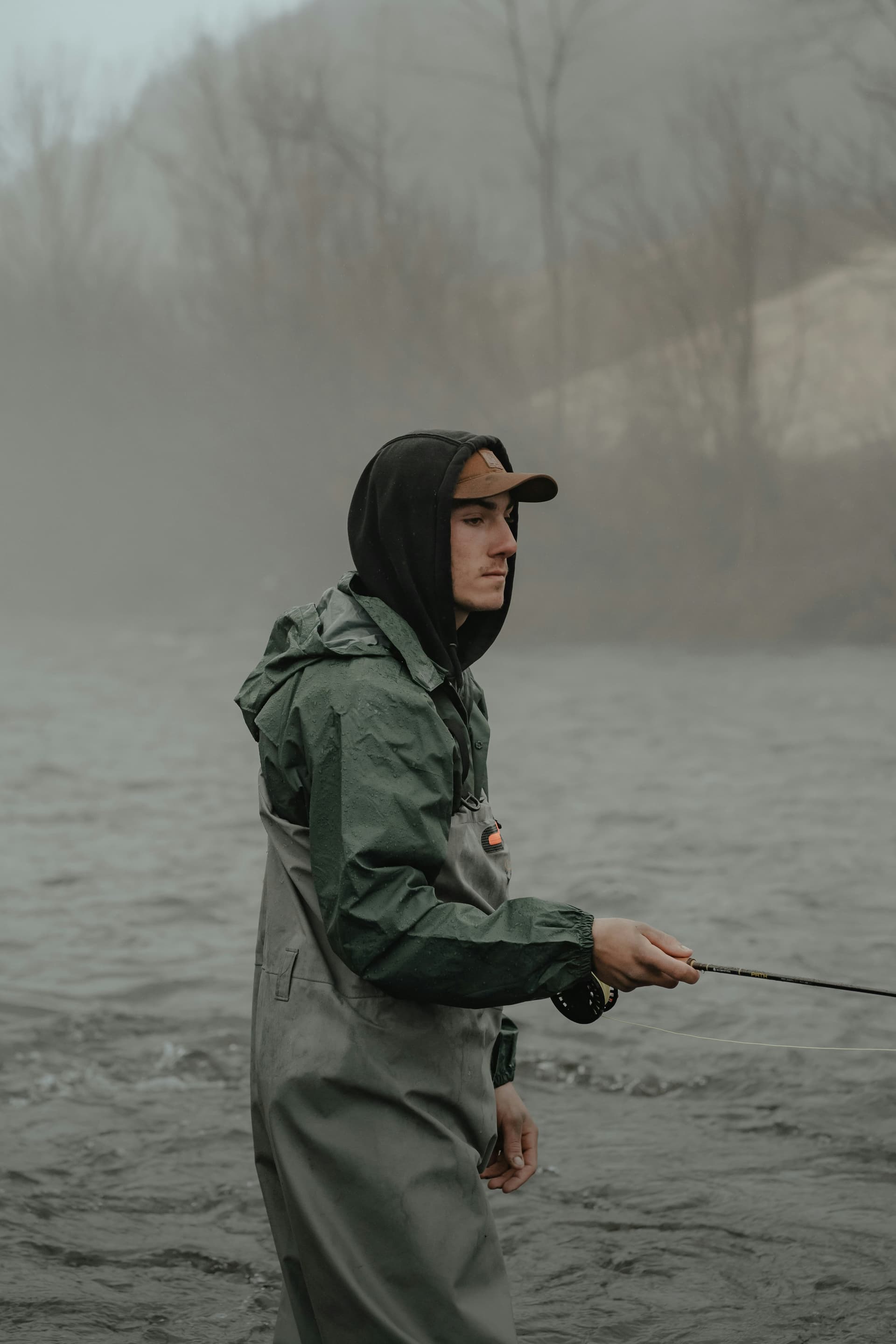
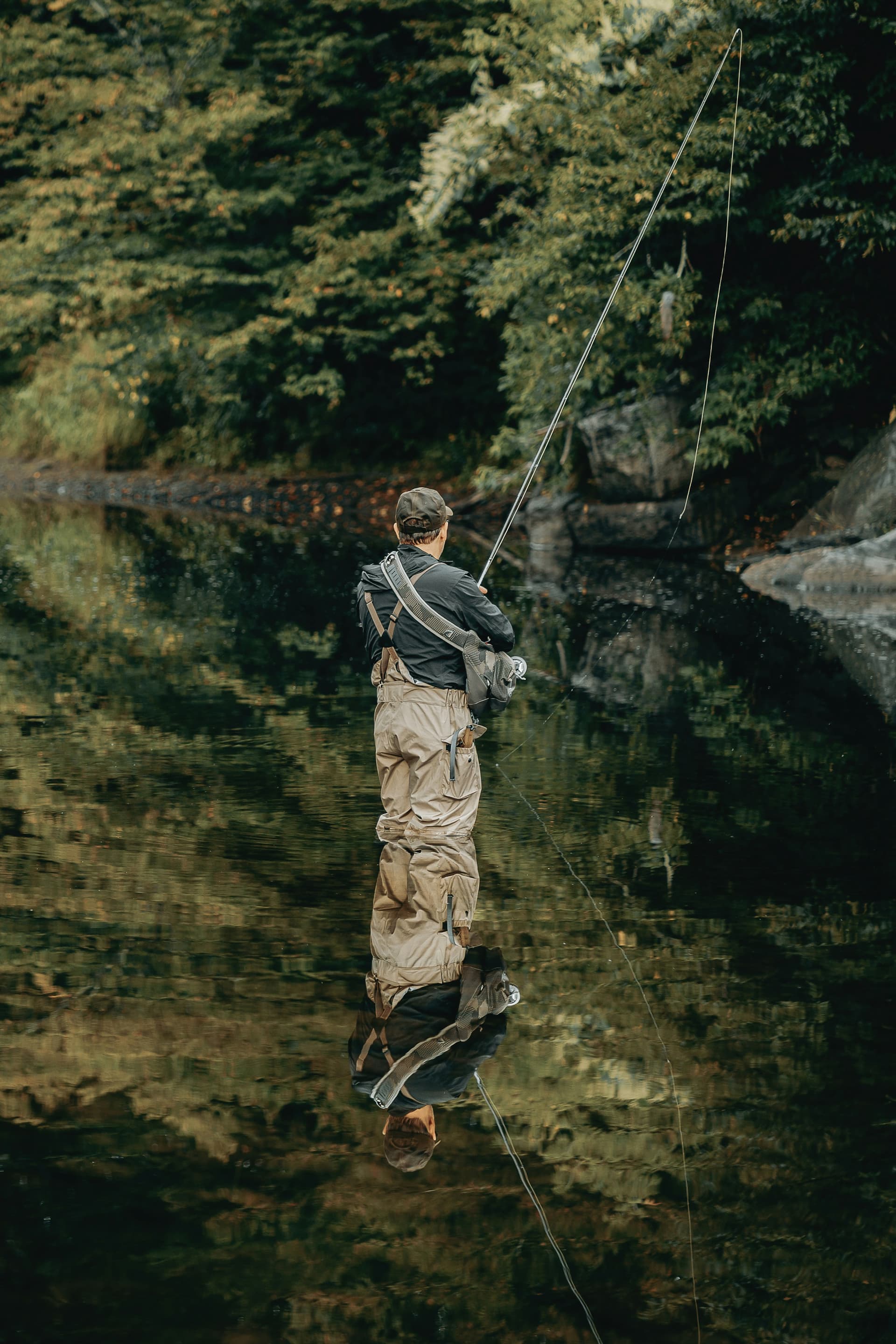
The difference between a good day and a great day on the water almost never comes down to your fly pattern. It comes down to where you put it.
Reading water is the foundational skill that separates experienced anglers from everyone else. It is the ability to look at a stretch of river and understand — before you ever make a cast — where the fish are likely holding, what they are probably eating, and how to present a fly so it drifts naturally into their feeding lane.
Current Seams Are Where Fish Live
A current seam is the visible line where fast water meets slow water. Fish hold on the slow side of these seams because it takes less energy, but they face the fast side because that is where food is delivered. Look for the crease — a subtle line on the surface where the water texture changes. Cast your fly so it lands in the faster water and drifts naturally across the seam into the slower water. That transition is where the take happens.
Depth Changes Matter More Than You Think
Trout do not like to be exposed. They want overhead cover, or at minimum, enough depth to feel safe from predators. Any place where the streambed drops from shallow to deep — even by six inches — creates a holding spot. The head of a pool, where a riffle pours in and the bottom drops away, is one of the most reliable spots on any river. The fish sit in the deeper water and pick off food tumbling in from the shallow riffle above.
Rocks and Structure Create Pockets
Every rock in the river creates a cushion of slower water in front of it and a pocket of calmer water behind it. Fish use both. A boulder that breaks the surface is obvious, but submerged rocks that create subtle bulges on the surface are often better. They provide cover without being as obvious to other anglers.
Foam Lines Tell You Where Food Goes
Foam collects where current converges. If you see a line of bubbles and foam on the surface, that is a conveyor belt of food. Fish know this. Position yourself so your fly drifts along the foam line, and you are putting your fly exactly where the fish expect to see food.
The Bank Is Underrated
Overhanging banks, undercut edges, and any place where vegetation meets water are prime holding spots, especially for larger fish. Big trout did not get big by feeding in the middle of the river where they are visible to every heron and osprey. They hug the banks, tuck under the overhangs, and feed on terrestrials that fall in from the grass. Some of the best fish you will ever catch will come from water that is two feet deep and one rod-length from the bank.
Practice by Watching Before Casting
Next time you arrive at the river, resist the urge to start casting immediately. Spend five minutes watching. Look for rises, look for current seams, look for foam lines, look for depth changes. Pick your spot before you pick your fly. The fish are telling you where they are — you just have to look.