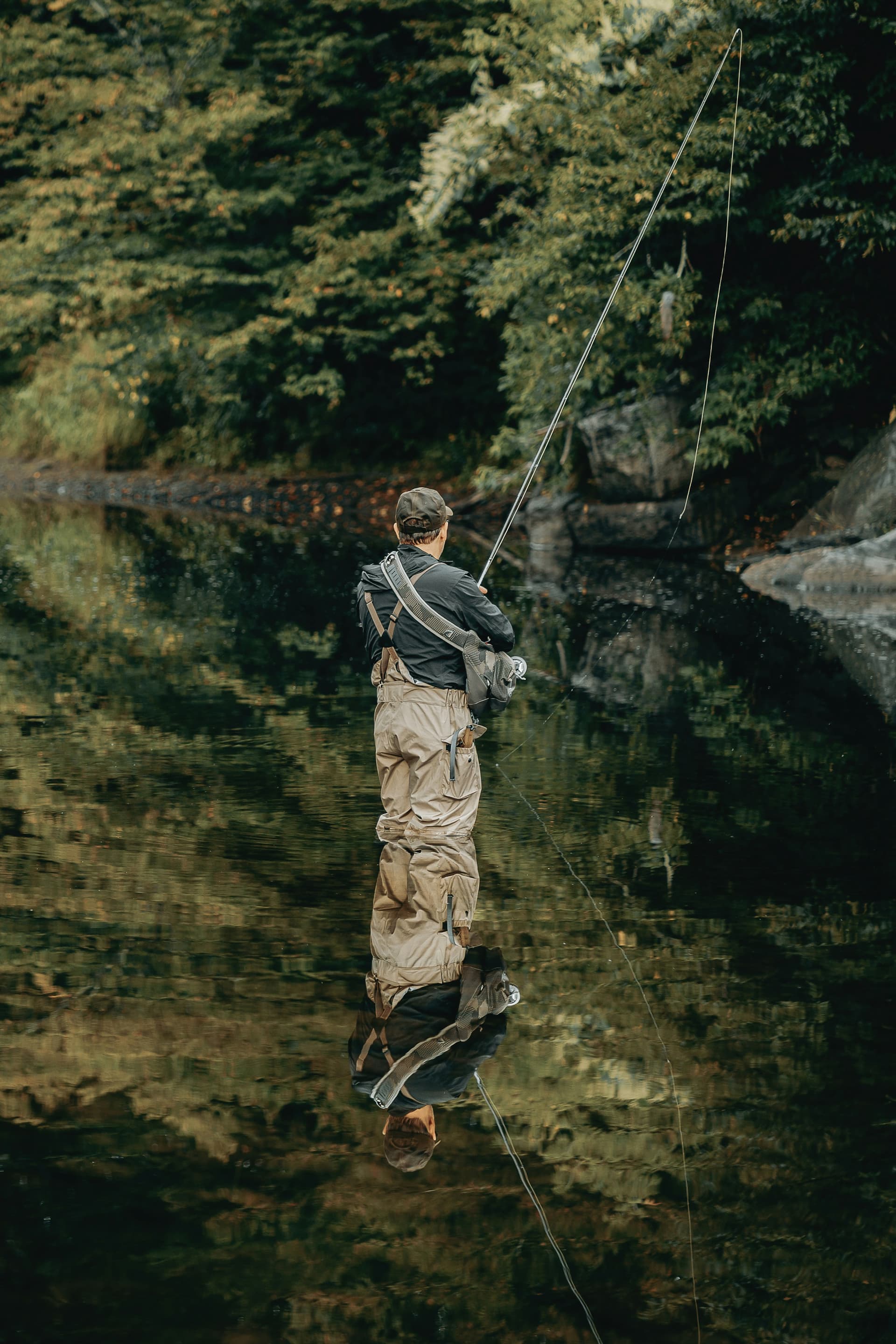

You can have the perfect fly in the perfect size and the perfect color, and a trout will refuse it if the presentation is wrong. Dry fly fishing is not about the fly. It is about how the fly moves — or more precisely, how it does not move.
The Dead Drift Is Non-Negotiable
A natural insect floating on the surface does not skate, swing, or drag across the current. It sits motionless on the film and drifts wherever the water takes it. Your fly needs to do the same thing. The moment your fly starts moving at a different speed or angle than the water around it, you have drag — and the fish knows it.
Drag can be obvious (your fly skating across the surface leaving a wake) or it can be micro-drag (a subtle pull that you cannot see but the trout can). Micro-drag kills more presentations than bad pattern selection ever will.
Mending Is the Most Important Skill You Are Not Practicing
A mend is a repositioning of your fly line on the water after the cast, designed to eliminate drag. The simplest form is an upstream mend — a gentle flip of the rod tip that throws a loop of line upstream, buying your fly more drag-free drift time.
The key is to mend before drag starts, not after. Watch your line as it lands. If you see a belly forming downstream of your fly, mend immediately. If you wait until you see the fly dragging, you are too late.
The First Cast Matters Most
When you spot a rising fish, your first cast is your best opportunity. The fish has not been spooked, your leader has not landed on the water near its position, and you have the element of surprise.
Plan the cast before you make it. Figure out your distance, pick your landing spot (two to three feet upstream of the rise), and account for the current. Then make one good cast rather than five hurried ones.
If the first cast does not produce a take, wait. Let the fish rise again. Confirm it is still feeding. Then adjust and try once more.
Leader Length Changes Everything
For spooky fish on clear water, go longer than you think you need. A 12-foot leader with a 5X or 6X tippet gives you more separation between the fly line and the fly. The trout sees the fly, not the line. On faster, broken water, you can get away with a 9-foot leader because the surface disturbance hides the connection.
Set the Hook Gently
When a trout takes a dry fly, there is an almost irresistible urge to rip the rod back and set the hook hard. Resist it. A firm lift of the rod tip is all you need. A violent hook set pulls the fly out of the fish's mouth and snaps light tippet. Lift, do not strike.